TriMind
A Large-Scale Three-Electrode EEG Dataset for Mental Disorder Differential Diagnosis
About TriMind
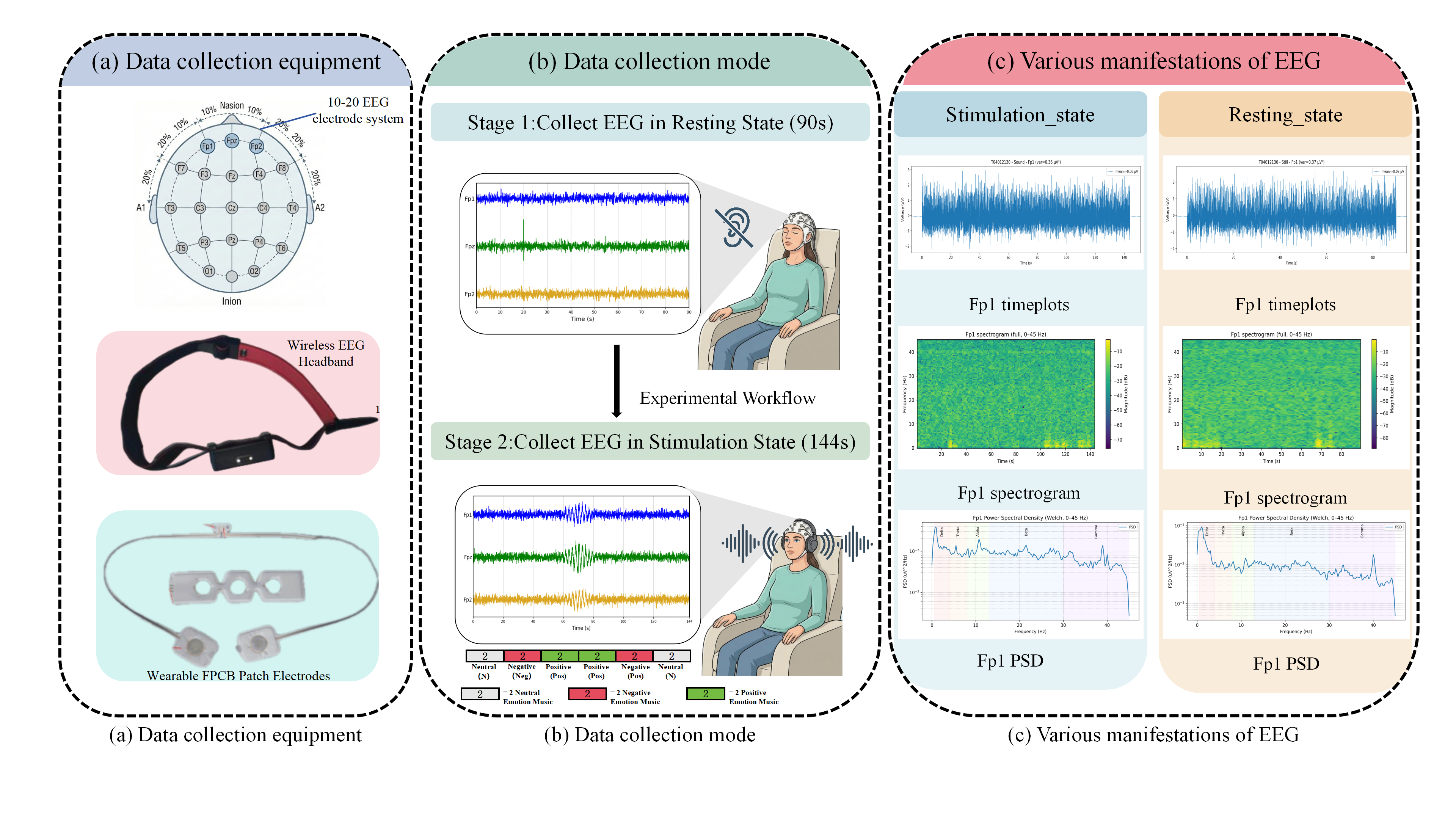
TriMind is a three-lead frontal EEG dataset for multi-psychiatric disorder recognition and differential diagnosis, collected with a lightweight portable setup using only Fp1, Fpz, and Fp2.It includes four subject groups: major depressive disorder (MDD), anxiety disorder (ANX), schizophrenia (SCH), and healthy controls (HC).Unlike most existing EEG datasets focused on single-disorder or binary classification, TriMind supports four-class, three-class, and binary classification settings for studying both shared and disorder-specific neural patterns.The dataset contains both resting-state EEG and emotional auditory stimulation EEG, providing complementary information on stable and task-evoked brain activity.Overall, TriMind comprises 729 subjects and about 170,586 seconds of EEG recordings, offering a practical benchmark for low-channel wearable psychiatric EEG research.
Experimental Paradigm
The experimental paradigm of TriMind consists of both resting-state recording and emotional auditory stimulation recording. During the resting-state stage, subjects remained relaxed and quiet for a total of 90 seconds to capture relatively stable background neural activity. During the stimulation stage, subjects were exposed to different types of emotional auditory stimuli for a total of 144 seconds, in order to evoke dynamic brain responses related to emotional processing. Specifically, the experiment was organized into fixed 6-second units, in which resting periods alternated with positive, neutral, and negative auditory stimulation segments, enabling the EEG signals to reflect both intrinsic baseline neural characteristics and response patterns under different emotion-inducing conditions.
Comparison with other datasets
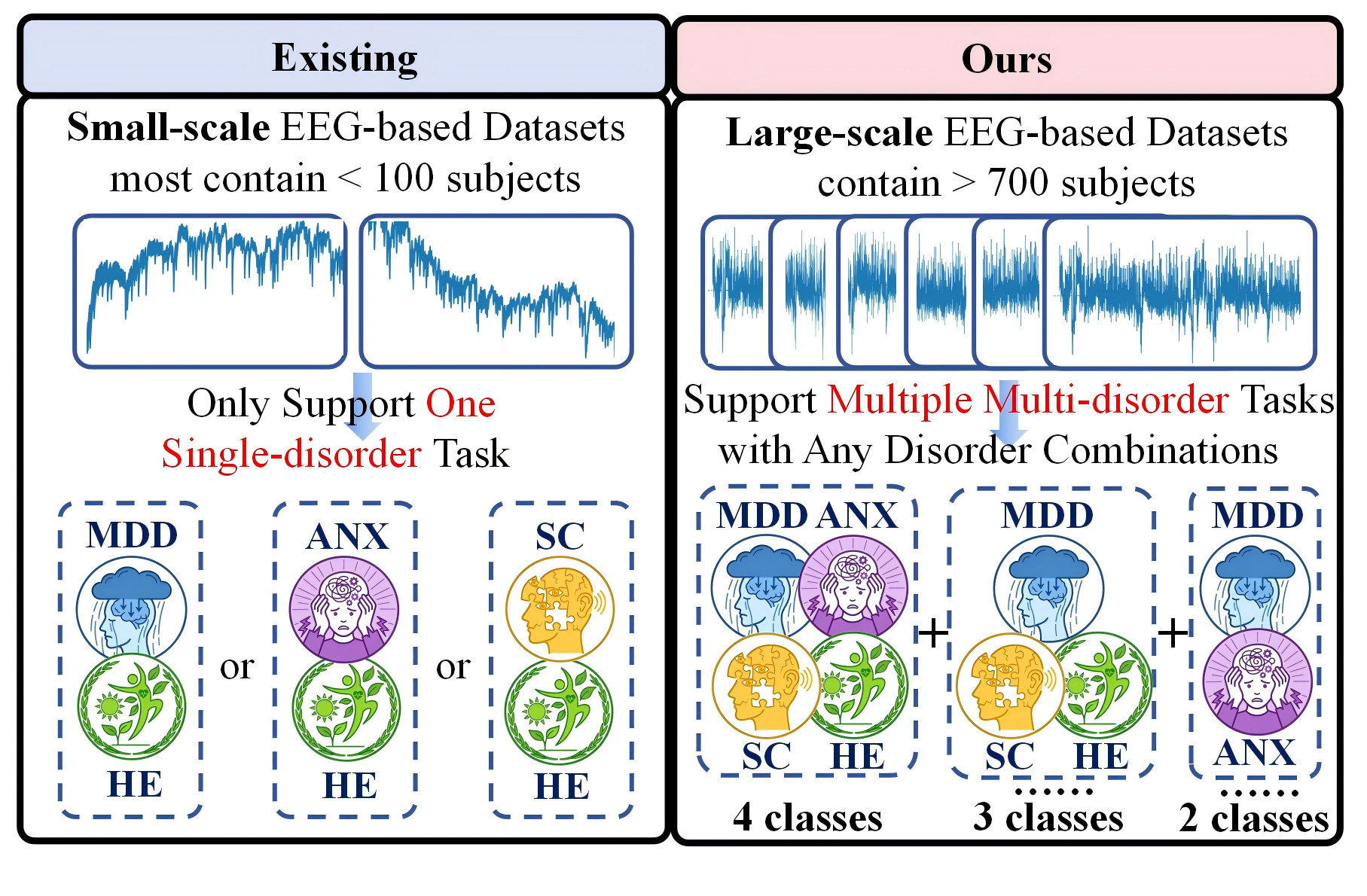
Compared with most existing EEG datasets that focus on single-disorder recognition or binary classification against healthy controls, TriMind offers greater diversity in classification tasks. It supports not only four-class classification across major depressive disorder, anxiety disorder, schizophrenia, and healthy controls, but also a variety of three-class and binary classification settings. This design facilitates the study of both shared abnormalities and disorder-specific differences across psychiatric conditions, and better reflects the practical needs of differential diagnosis in real clinical scenarios.
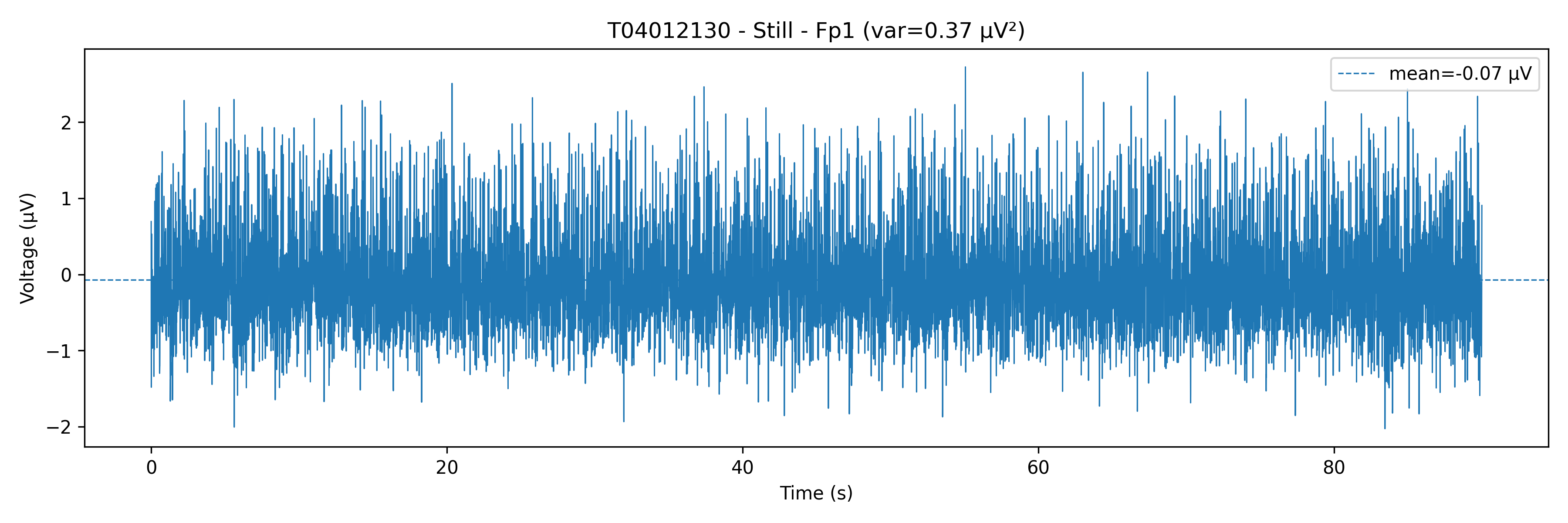
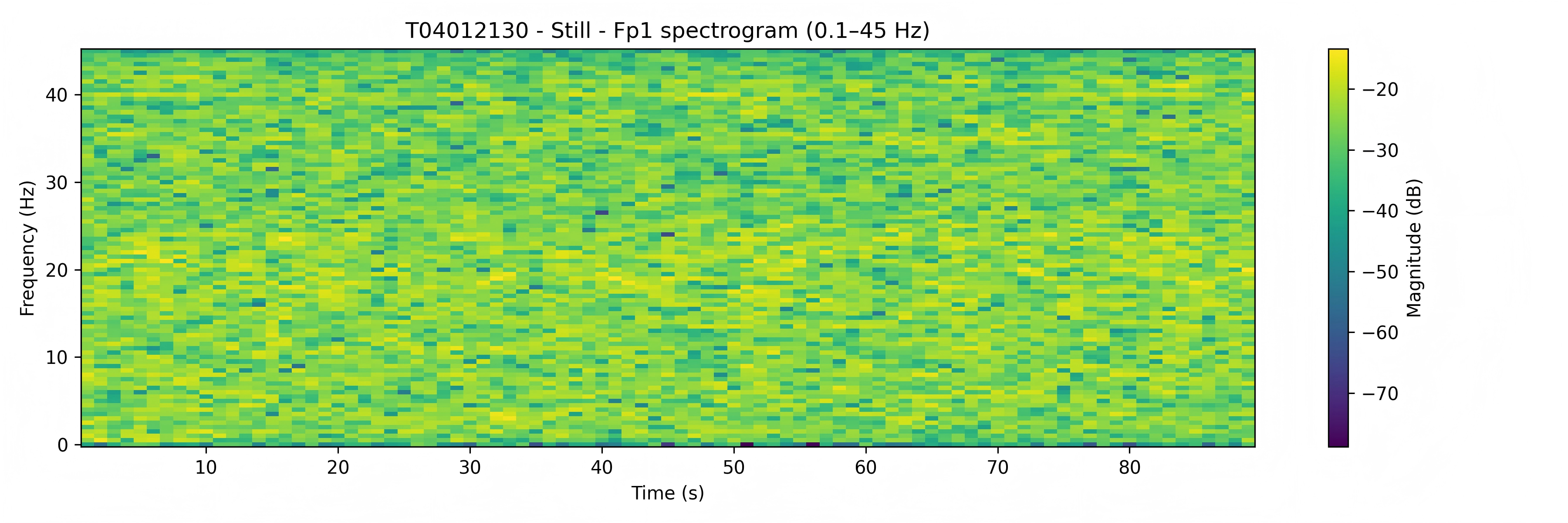
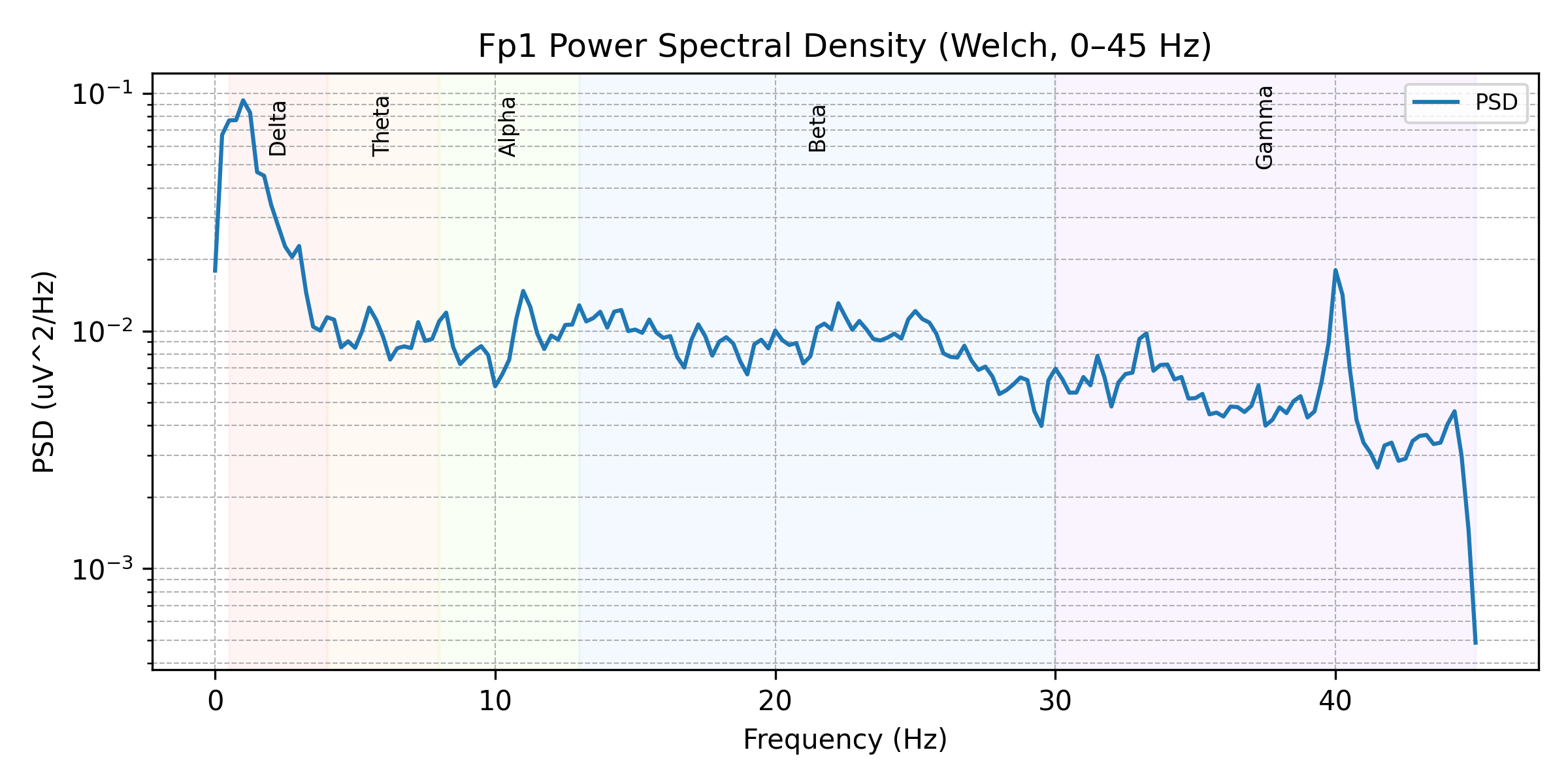
Various visual forms of EEG